| Question | SOC 2 Type 1 | SOC 2 Type 2 |
|---|---|---|
| What does it evaluate? | Design of controls | Design and operating effectiveness |
| Time basis | Point in time | Observation period |
| Evidence emphasis | Control design and implementation | Repeated operation and sampled evidence |
| Buyer assurance | Useful interim assurance | Stronger assurance for ongoing operations |
| Typical use | Early or urgent customer requirement | Mature enterprise-sales requirement |
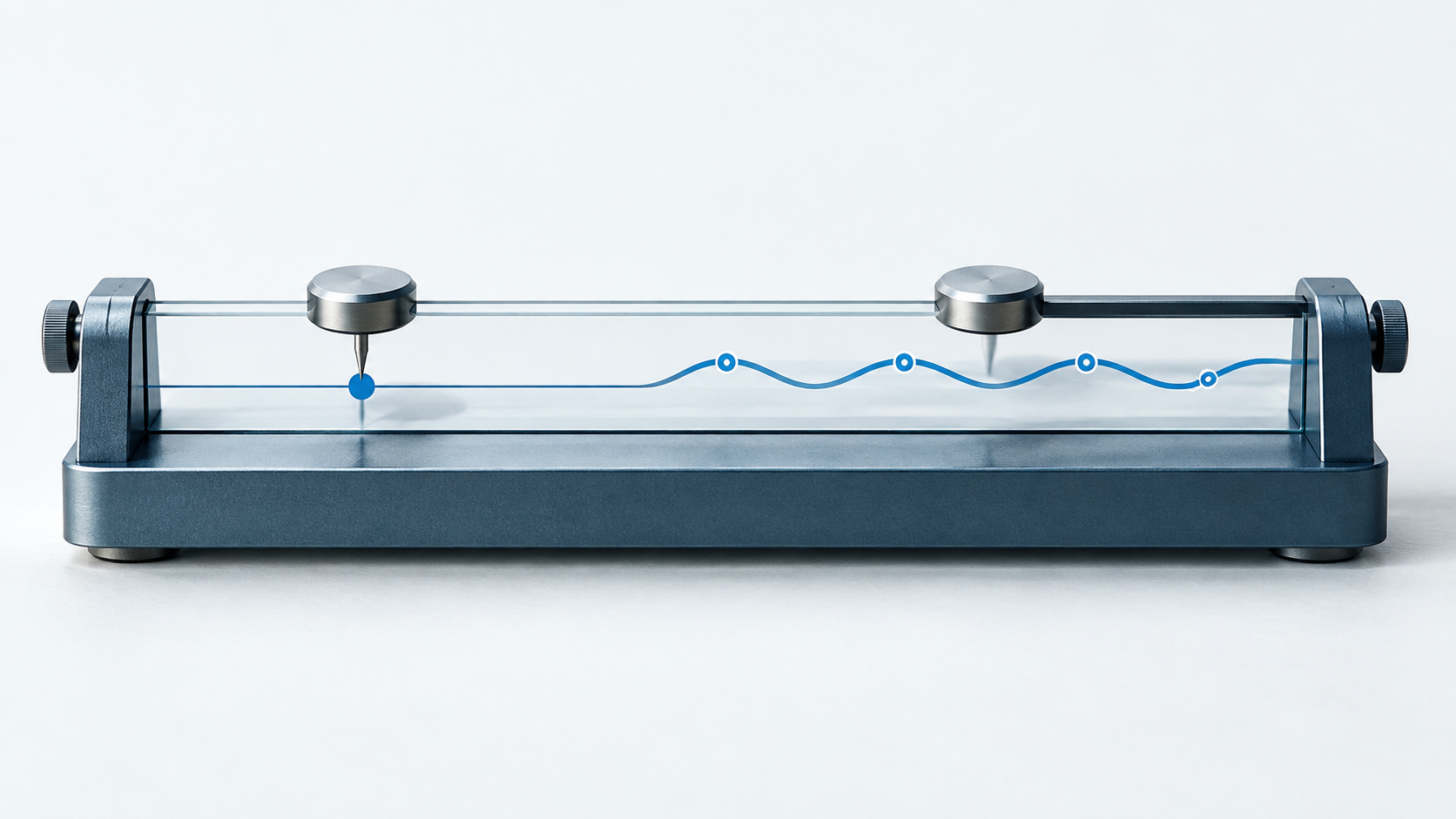
The difference between SOC 2 Type 1 and Type 2 is mostly a question of time and evidence. A SOC 2 Type 1 report evaluates whether controls are suitably designed at a specific point in time. A SOC 2 Type 2 report evaluates both design and operating effectiveness over an observation period.
For a SaaS company, that difference affects buyer expectations, audit timing, evidence collection, and how much assurance the report provides. Most companies eventually want Type 2 because enterprise customers usually care whether controls operated consistently, not only whether they existed on one date.
What SOC 2 Actually Covers
SOC 2 is part of the AICPA’s System and Organization Controls suite for service organizations. The American Institute of Certified Public Accountants publishes the Trust Services Criteria used for SOC 2 engagements.
The Trust Services Criteria cover Security and, when included in the audit scope, Availability, Confidentiality, Processing Integrity, and Privacy. The criteria are supported by common criteria and points of focus that help practitioners evaluate the control environment.
SOC 2 is not a government certification. An independent CPA firm examines the service organization’s system and issues the SOC 2 report under the AICPA SOC framework.
SOC 2 Type 1: A Point-in-Time Report
A SOC 2 Type 1 report evaluates the design of controls as of a specified date. The auditor asks whether the company’s controls are suitably designed to meet the applicable Trust Services Criteria.
A Type 1 engagement can make sense when:
- an enterprise buyer needs assurance sooner than a Type 2 timeline allows;
- the company has just implemented its control set;
- there is not yet enough operating history for a meaningful observation period;
- a buyer explicitly accepts a SOC 2 Type 1 report as an interim step.
A readiness assessment should happen before the SOC 2 Type 1 audit. The goal is to confirm that controls are actually implemented and that the company can show evidence of their design.
Examples include access controls, change management, incident response, risk management, security training, vulnerability management, data protection, cybersecurity controls, and vendor oversight. Together they describe the organization’s security posture and broader compliance standards in operation.
SOC 2 Type 2: Design Plus Operating Effectiveness
A SOC 2 Type 2 report evaluates the same general control design question and adds operating effectiveness over a defined audit period.
That means the auditor samples evidence showing controls operated as intended. If quarterly access reviews are part of the program, the auditor can inspect completed reviews during the observation period. If code changes require review, the auditor can sample pull requests. If incident response testing is required, the auditor can review the exercise evidence.
The result gives user entities more information about whether the service organization’s controls worked consistently over time.
A Type 2 report therefore creates more evidence work but also stronger assurance. In practice, SOC 2 Type 2 compliance means maintaining those controls and evidence throughout the observation period rather than preparing only at the end.
The Observation Period Is the Main Timeline Difference
The observation period is the span covered by a SOC 2 Type 2 report. The exact period should be discussed with your CPA firm and based on buyer needs and audit strategy.
The practical point is that controls must operate during that period. You cannot wait until the end and recreate recurring evidence retroactively.
A control that says access is reviewed quarterly needs completed access-review evidence. A control that says backups are tested needs test records. A control that says security events are monitored needs audit logs, alerts, tickets, or other proof of operation.
That is why SOC 2 readiness is more important than simply scheduling the auditor.
SOC 2 Type 1 vs Type 2: Side-by-Side
Both reports are based on the applicable Trust Services Criteria and require an independent CPA firm.
What Evidence Changes Between Type 1 and Type 2?
For Type 1, evidence demonstrates that the control is designed and implemented as of the report date. For Type 2, evidence must also show operation over time.
That can include:
- access-review records;
- MFA and identity configurations;
- change approvals;
- incident-response exercises;
- backup and recovery tests;
- vulnerability findings and remediation;
- security awareness training records;
- risk assessments;
- vendor reviews;
- privacy controls;
- monitoring and alert records.
Good evidence collection begins before the audit period. If the company is unsure what evidence a control produces, that is a readiness problem.
Which Report Do Enterprise Buyers Expect?
Buyer expectations vary, but a mature security review commonly asks for a current SOC 2 Type 2 report because it provides evidence of operating effectiveness.
A SOC 2 Type 1 report can still be commercially useful. It may show that the program is implemented while the company builds operating history. The key is to ask the buyer what will satisfy procurement instead of assuming any SOC 2 report will do.
Some buyers may also request ISO 27001 certification, HIPAA-related safeguards, a penetration test, a bridge letter, or customer-specific evidence. A SOC 2 report reduces repetitive diligence but does not eliminate every security review.
What Is a SOC 2 Bridge Letter?
A SOC 2 bridge letter is commonly used to address the period between the end date of a SOC 2 report and the current date. It is typically a representation from service-organization management rather than a new CPA examination.
A bridge letter does not extend the audit period or create a new Type 2 opinion. Buyers may accept one for a limited gap, but the exact requirement belongs to the customer’s vendor-risk process.
How SOC 2 Type 1 and Type 2 Affect Cost
The audit fee depends on scope, complexity, Trust Services Criteria categories, company size, auditor pricing, and the state of the program. Type 2 can require more audit work because the CPA firm tests operation across the audit period.
But the larger cost for a SaaS company is often internal time: control implementation, evidence collection, remediation, coordination, and repeated auditor requests.
A cheap audit does not reduce the work required to operate the controls.
SOC 1 vs SOC 2, SOC 3, and Older SSAE Terms
SOC 1 vs SOC 2 is a different comparison. SOC 1 focuses on controls relevant to user entities’ financial reporting, while SOC 2 focuses on the Trust Services Criteria.
SOC 3 is based on the Trust Services Criteria but is designed for general distribution and contains less detailed information than a SOC 2 report.
You may also see older references such as SSAE 16 in search results or legacy documents. Modern SOC reporting has evolved since that standard, so rely on current AICPA guidance rather than outdated terminology.
“Trust service principles” is another older phrase still used informally; the current term is Trust Services Criteria, often abbreviated TSC.
Does a SOC 2 Report Equal SOC 2 Certification?
People often search for SOC 2 certification or say a company is “SOC 2 certified,” but SOC 2 is an attestation report rather than a certification in the ISO sense.
The distinction matters when communicating with customers. Say you completed a SOC 2 examination or have a SOC 2 Type 2 report rather than implying a certification body certified the company.
When Should a Startup Move From Type 1 to Type 2?
Move toward Type 2 when enterprise buyers expect evidence of ongoing operation and the controls are stable enough to run consistently.
A sensible path is:
- Complete a SOC 2 readiness assessment.
- Implement internal controls and close material gaps.
- Use Type 1 if an immediate business need justifies a point-in-time report.
- Begin the Type 2 observation period when controls are operating reliably.
- Maintain evidence and remediate failures during the period.
- Complete the SOC 2 audit with the CPA firm.
Some companies can go directly to Type 2 if they have enough preparation and do not need an interim Type 1 report. The right answer depends on buyer deadlines and operating maturity.
Choose the Report That Matches the Commercial Requirement
SOC 2 Type 1 vs Type 2 is not a contest where one report is always “better.” Type 1 proves control design at a point in time. Type 2 adds evidence that those controls operated over time. For most B2B SaaS companies selling to enterprise customers, Type 2 is the eventual destination because it answers the stronger assurance question.
The important part is to plan the path before the customer deadline arrives. SCI helps SaaS teams design and implement controls, manage evidence collection, coordinate the auditor, and keep the program operating through the Type 2 period. If SOC 2 is blocking a deal or consuming engineering time, SCI’s Embedded Compliance team can take on the operating work while your team stays focused on the product.